



Sexual and reproductive health is often discussed in terms of risks, prevention, and clinical outcomes. While these conversations are important, they frequently leave out something central to how people actually experience sex: sexual pleasure. When pleasure is excluded, sexual health discussions can feel distant, incomplete, and disconnected from people’s real lives.
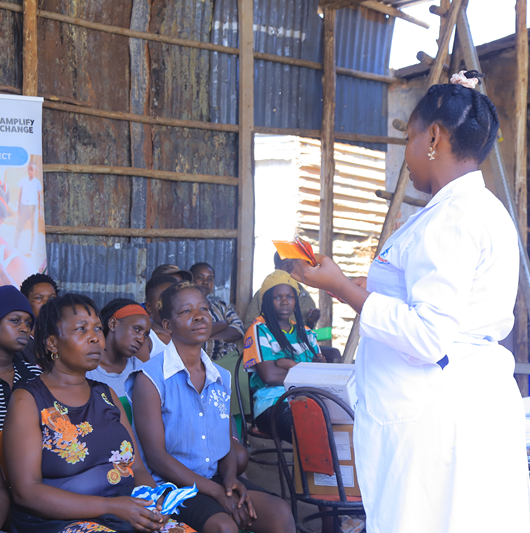
From our experience working closely with marginalized communities, we have learned that including sexual pleasure in SRHR conversations fundamentally changes how people engage. It opens up dialogue. People become more willing to speak, ask questions, and reflect honestly. Conversations about consent, safer sex, and bodily autonomy become easier, clearer, and more meaningful because they are grounded in what people care about in their everyday experiences, not just in abstract health messages.

Sexual pleasure is not separate from sexual health; it is an essential part of it. Many sexual health experts define sexual well-being as including the possibility of safe and pleasurable sexual experiences, shaped by dignity, choice, and freedom from coercion. When individuals are able to understand their bodies and acknowledge pleasure, they are better positioned to make informed decisions about their sexual lives.
In our ongoing conversations with women, a clear pattern continues to emerge. When people can talk openly and honestly about what they want, they are better able to negotiate what they need—whether that is consent, protection, respect, or safety. Silence around pleasure often reinforces power imbalances, while open dialogue helps challenge them.

This is why we believe that sexual pleasure matters in the way SRHR programming is designed and delivered. By creating safe spaces for honest conversations, we move beyond fear-based approaches and towards empowerment, agency, and well-being. Integrating sexual pleasure into SRHR work is not about encouraging risky behavior; it is about recognizing the full humanity of the people we serve and supporting healthier, more informed, and more autonomous choices.