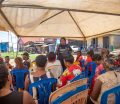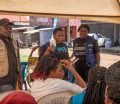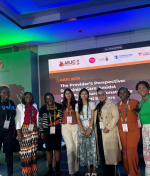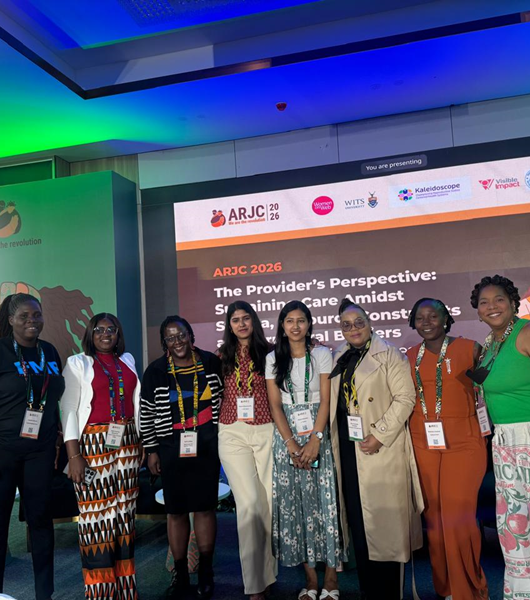

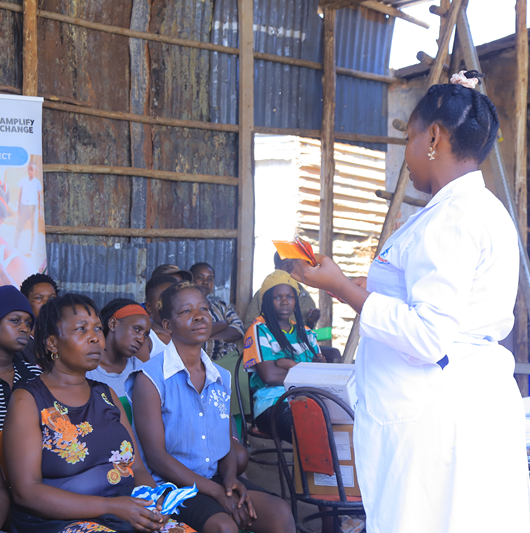
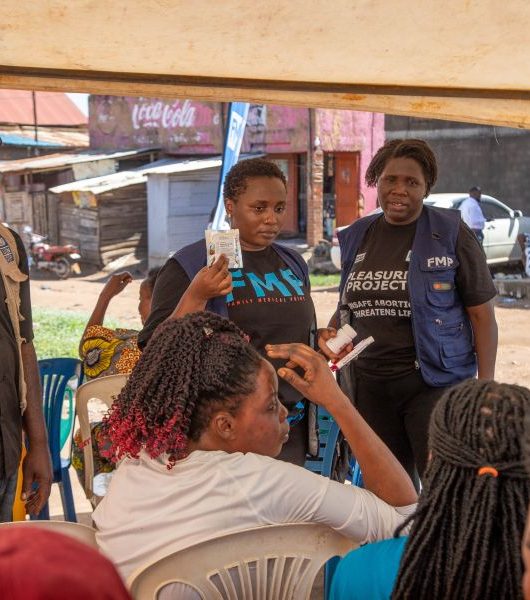
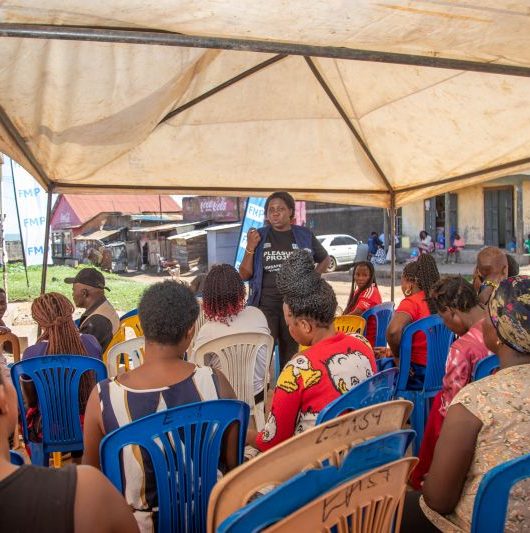
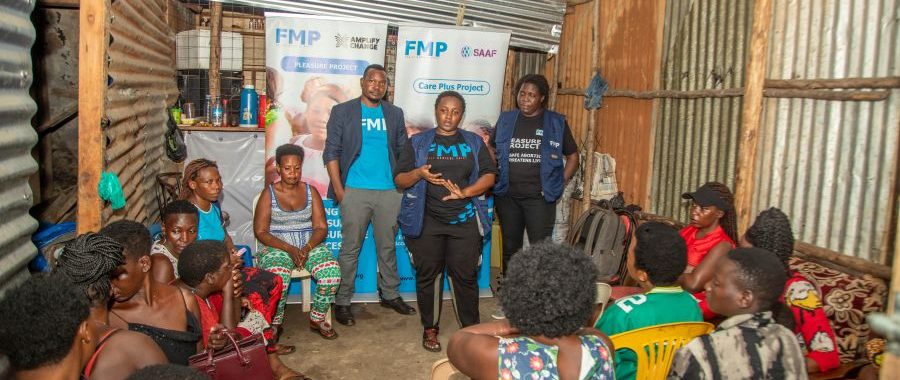
On Friday, 8th May 2026, Family Medical Point, in partnership with Marie Stopes Uganda, held a Musawo Session at Kigungu Landing Site in Entebbe. The Musawo Session is FMP’s engagement model that creates a safe and non-judgmental space for women in fishing communities to freely interact with healthcare providers, openly share their experiences, discuss health challenges, and access accurate sexual and reproductive health information and support.
The session brought together health practitioners, women, female sex workers, and community leaders for open discussions on Sexual and Reproductive Health and Rights (SRHR). Through these conversations, participants were able to openly discuss reproductive health concerns, ask questions, and receive guidance and support in a welcoming and respectful environment.
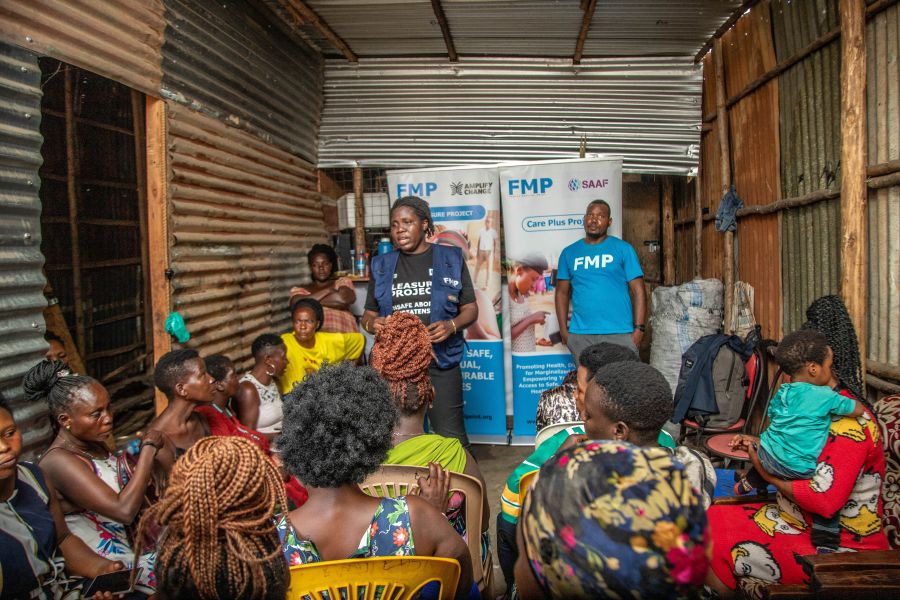
More than 30 women attended the Musawo Session, participating in engaging discussions on family planning, HIV testing and prevention, sexually transmitted infections (STIs), post-abortion care, and reproductive health education. The session provided a supportive space where participants openly shared experiences, asked questions, and received guidance on issues affecting their health and wellbeing.
Through these conversations, women were empowered with accurate information and encouraged to make informed decisions about their sexual and reproductive health in a safe and respectful environment.
One of the most engaging moments came during the discussion on sexually transmitted infections, where many women admitted that they often confuse symptoms of STIs with those of urinary tract infections (UTIs). Health practitioners took time to explain the specific signs and symptoms of common STIs, the dangers of self-medication, and the importance of seeking professional medical attention early enough for proper diagnosis and treatment. Participants were encouraged to visit nearby health facilities whenever they notice unusual symptoms instead of relying on assumptions or peer advice.
The session also created an opportunity to address common myths and misconceptions surrounding reproductive health. At one point, a participant raised a question many people silently wonder about:
“Does someone acquire these infections through latrines since most of them share the same places of convenience?”
Health workers responded with accurate information, explaining that STIs are not transmitted through sharing latrines, while also educating participants on the actual modes of transmission and ways of prevention. That moment sparked even more questions from the audience, turning the session into a powerful learning experience where myths were corrected and participants felt comfortable seeking clarity. The conversation not only helped clear misinformation but also encouraged more participants to openly ask questions they had previously feared discussing.
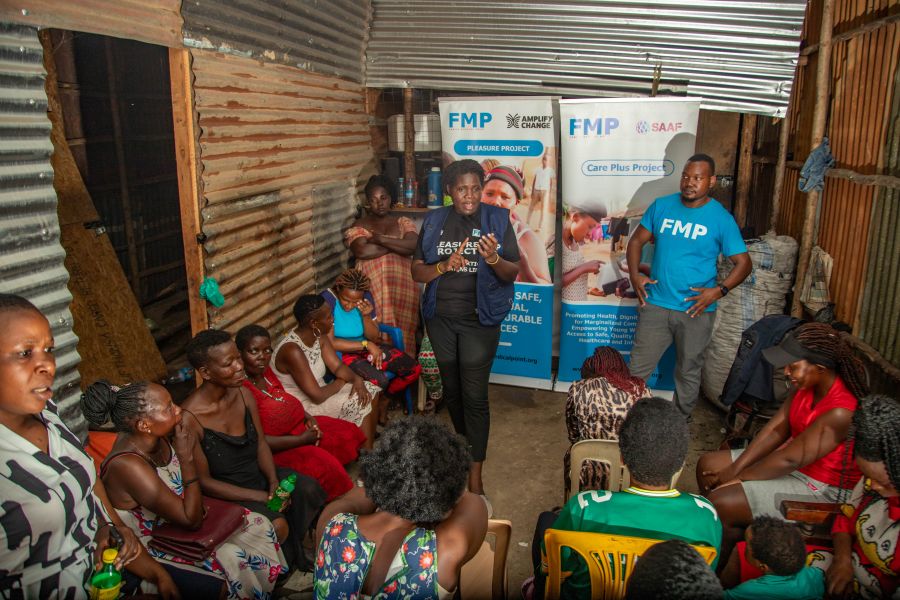
Throughout the session, women actively engaged with the facilitators, making the discussions lively, practical, and community-centered. Participants appreciated the chance to receive accurate health information directly from medical professionals in a respectful environment where their experiences were acknowledged.
The Musawo Session proved beneficial to the Kigungu community by increasing awareness on sexual and reproductive health issues, promoting positive health-seeking behavior, and helping participants make informed decisions about their wellbeing. It also strengthened the connection between healthcare providers and community members by bringing essential SRHR information and services closer to the people who need them most. Through initiatives like these, FMP continues to play an important role in empowering communities with knowledge, breaking harmful myths, and promoting access to quality reproductive healthcare services.