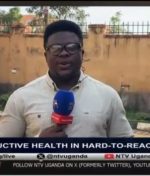

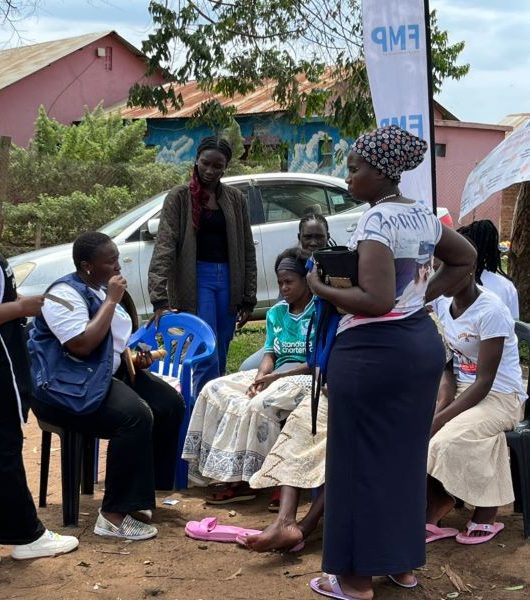

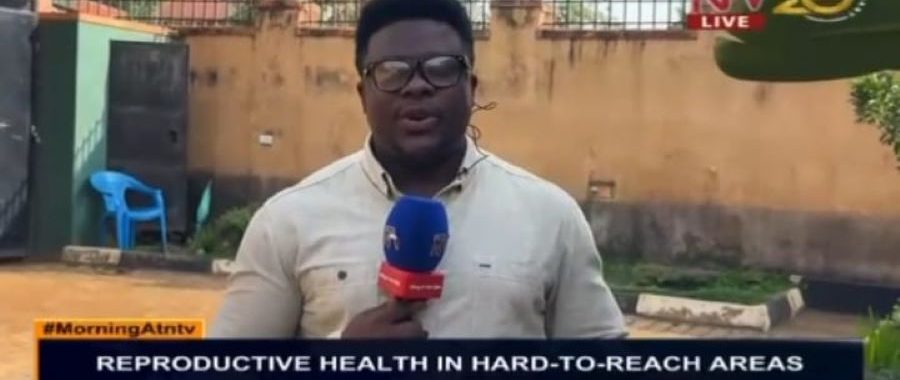
Today we had the opportunity to join NTV Uganda for a conversation on improving access to sexual and reproductive health services in Uganda’s fishing communities.
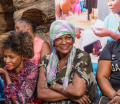
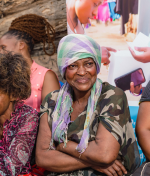
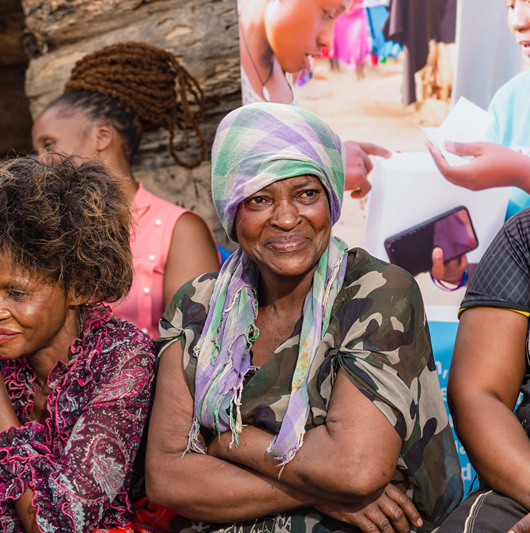
Fishing communities are populations that live around landing sites, islands, and lakeshores, where fishing and related activities are the main source of livelihood. However, many of these communities face challenges accessing sexual and reproductive health and rights (SRHR) services. Some are difficult to reach due to their remote locations and limited transport options, making it challenging both to bring health services closer to them and for community members to access government health facilities.
Combined with stigma and limited access to accurate information, these barriers make it especially difficult for women and young people to obtain essential reproductive health services.
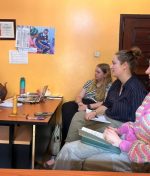
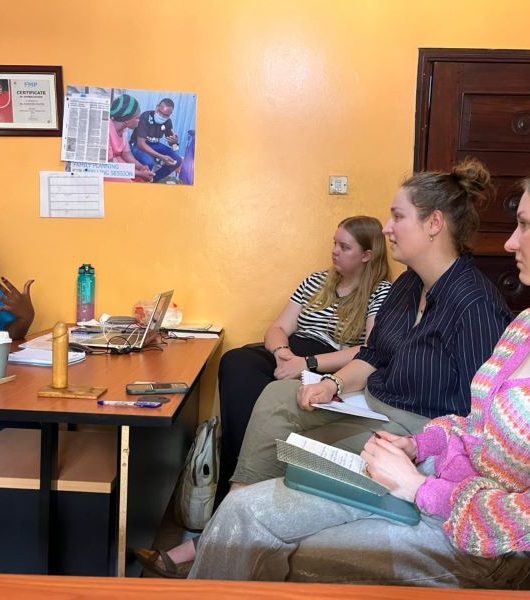
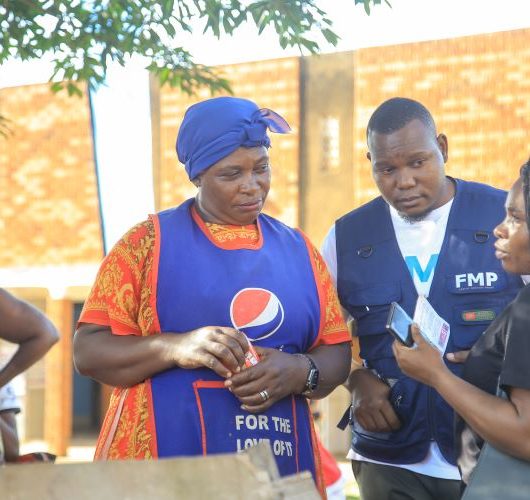
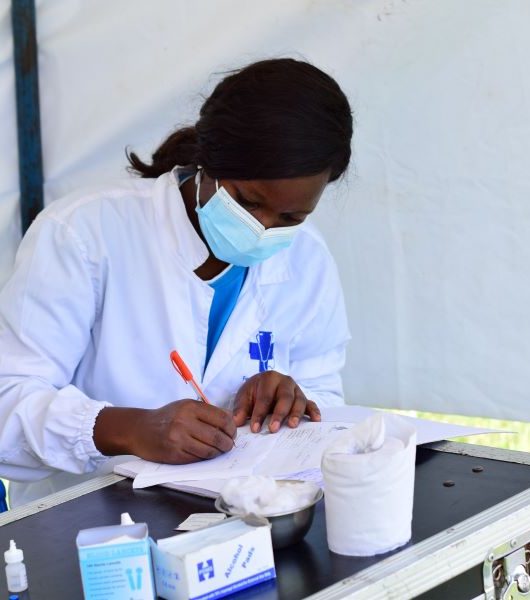
During the discussion, we highlighted the urgent need for services such as family planning, post-abortion care, HIV prevention, STI screening and treatment, maternal health support, and menstrual health education. Through mobile outreaches, community education, and collaboration with government health systems, FMP is helping bring essential sexual and reproductive health services closer to underserved communities.
However, long-term impact requires stronger policy implementation, a consistent supply of health commodities, and increased domestic investment in reproductive health. Uganda continues to face a significant burden of unsafe abortions, estimated at over 300,000 annually, which underscores the need to treat reproductive health as a public health priority.
My key message remains simple: where a woman lives should never determine whether she can access life-saving reproductive health services.
Find out more about the conversation at; https://youtu.be/d7dyI4TB8RI?si=iLPPnhNLmawCO3HC