
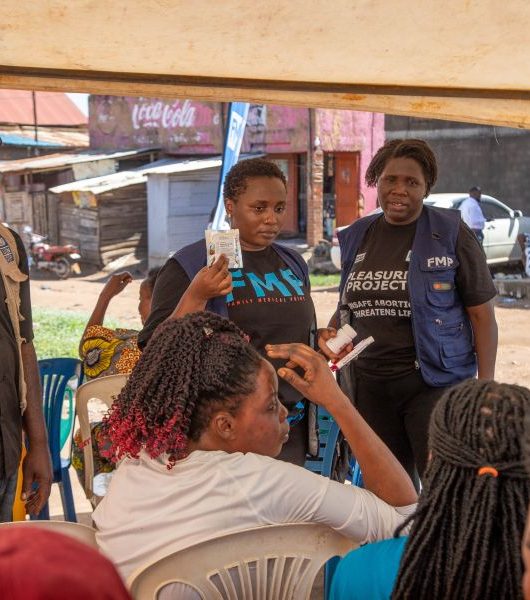
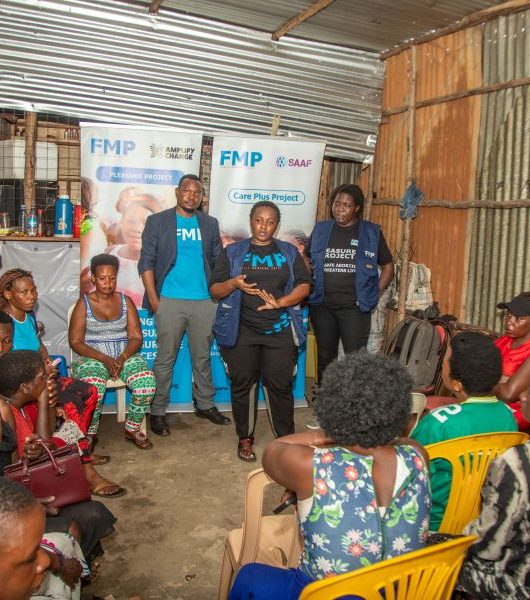
Progress has been made, but for marginalised women, equality remains out of reach.
Every year, International Women’s Day calls on the world to advance gender equality and protect the rights of women and girls. Yet for many women, especially those living at the margins, the very systems meant to protect them continue to fail.
Uganda is no exception. Alongside measurable strides in law, policy, and public commitment, deep inequities persist. To truly honour this day, we must hold both truths at once: acknowledge the progress made, and honestly confront how far we have yet to go.
The Progress Uganda Has Made
Uganda has made real strides toward gender equality over the past two decades. Girls’ school enrolment has risen sharply, and women now hold significant representation in Parliament among the highest on the continent. The 1995 Constitution enshrines gender equality, and legislation such as the Domestic Violence Act and the Sexual Offences Bill reflects a growing political will to protect women and girls.
Uganda’s National Development Plans have increasingly integrated gender-responsive frameworks, and community health programmes have expanded access to maternal and reproductive health services in many areas. These gains matter. They represent the work of advocates, communities, health workers, and policymakers who refused to accept the status quo.
The Inequities That Persist
However, progress has not reached everyone equally. Women exist in all their diversities — young girls, sex workers, LGBTQ+ persons, women with disabilities, and women living in fishing communities and other marginalised settings. For many of them, compounded discrimination means that rights on paper rarely translate to rights in practice.
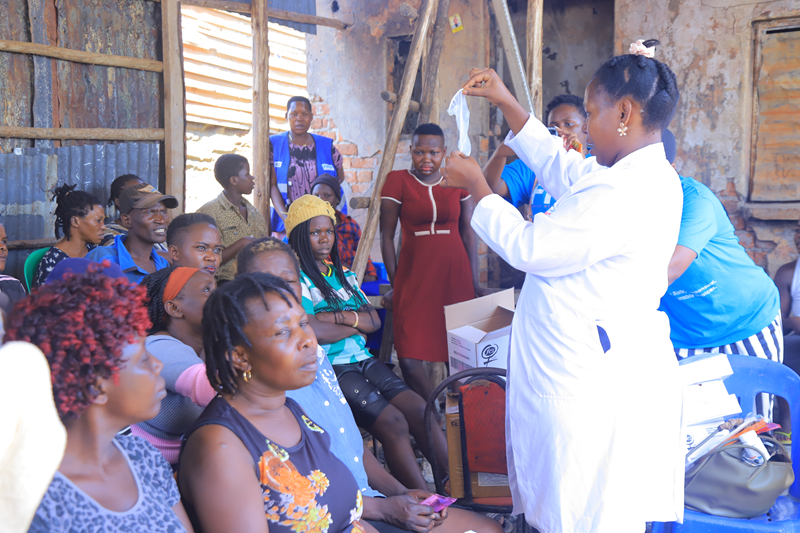
Systemic barriers continue to block access to sexual and reproductive health services, including:
- Stigma from health providers and communities discourages women from seeking care
- Pervasive myths and misconceptions about contraception and sexual health
- Long distances to health facilities, particularly in rural and lakeside communities
- High costs of services place them out of reach for women in poverty
- Frequent stockouts of essential reproductive health commodities
When women and girls cannot access accurate information and services, the consequences are serious. In Uganda, 52% of pregnancies are unwanted or mistimed, with over 43% attributed to unmet family planning needs. The teenage pregnancy rate remains alarmingly high, with more than 30,000 girls getting pregnant every month, over 1,000 every single day. Unsafe abortion, driven largely by restricted access and stigma, accounts for an estimated 26% of maternal deaths in Uganda, a figure considerably higher than the global average. While Uganda’s maternal mortality ratio has declined over time, dropping from 438 per 100,000 live births in the 2004–2011 period to 228 in the 2015–2022 period, it remains far too high, and the deaths it represents are, in large part, preventable.
The injustice deepens for survivors of sexual and gender-based violence. Many women experience rape, assault, and coercion yet instead of receiving compassionate care and justice, they face silence, stigma, and sometimes the expectation to carry pregnancies that resulted from violence. Survivors are too often left to absorb the emotional, social, and economic weight of systemic failures that were never theirs to carry.
What Must Change
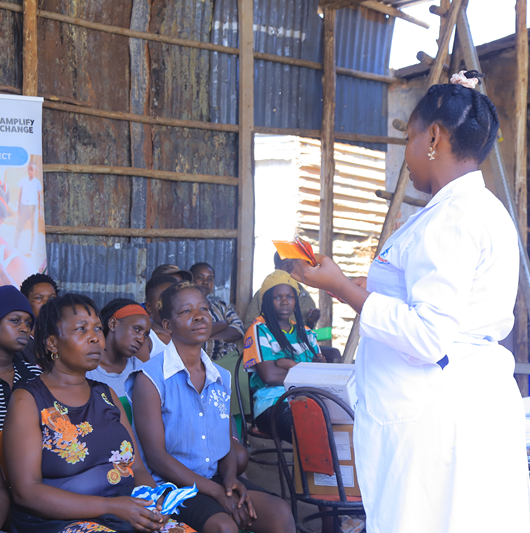
Addressing these gaps requires targeted, community-rooted action. Community health systems must be strengthened by training and resourcing health workers to reach women in fishing communities, informal settlements, and other underserved areas with non-judgmental, accurate information and referrals. Stigma must be addressed head-on through community dialogue and health worker sensitisation, so that women in all their diversities can access services without fear of discrimination or rejection. Reliable supply chains for contraceptives, PEP, and other essential reproductive health commodities must be secured at both the facility and community levels. One-stop centres where survivors of gender-based violence can access medical care, psychosocial support, legal aid, and safe housing under one roof must be established and funded, especially in underserved regions. Above all, the women most affected by these inequities must be placed at the centre of policy design, programme implementation, and accountability processes not just as beneficiaries, but as leaders.
If we are to truly honour International Women’s Day, we must hold our systems to account. It is not enough to celebrate women we must fix what continues to fail them.
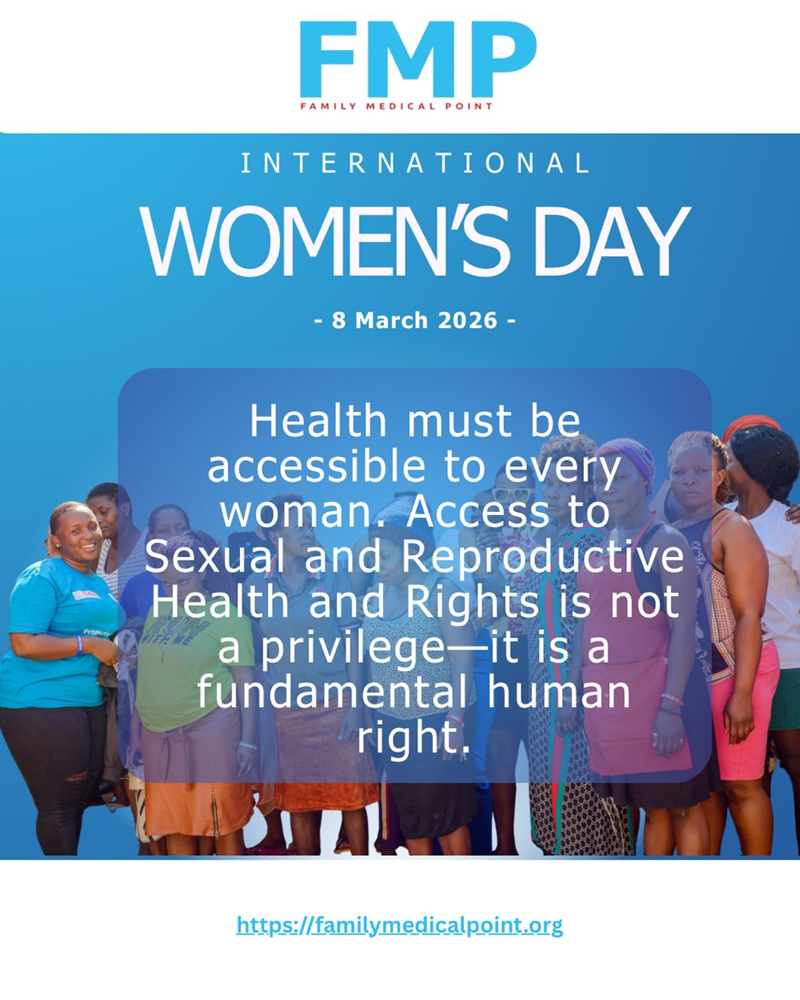
Let us move beyond celebration. Let us commit to rights, justice, and action — for every woman and girl, without exception.