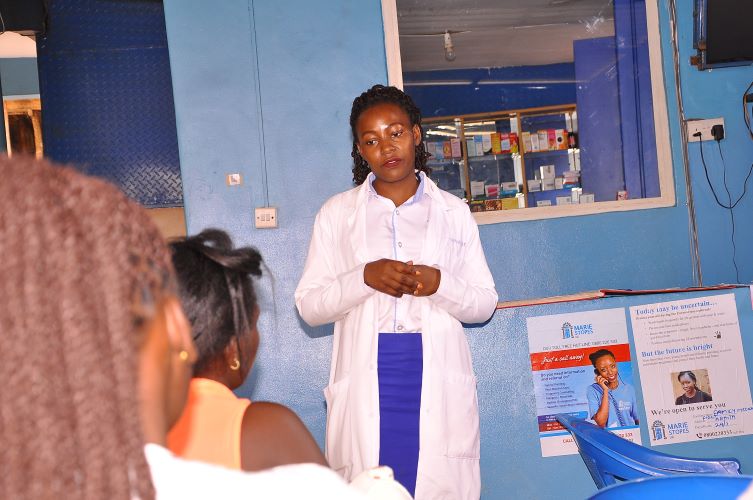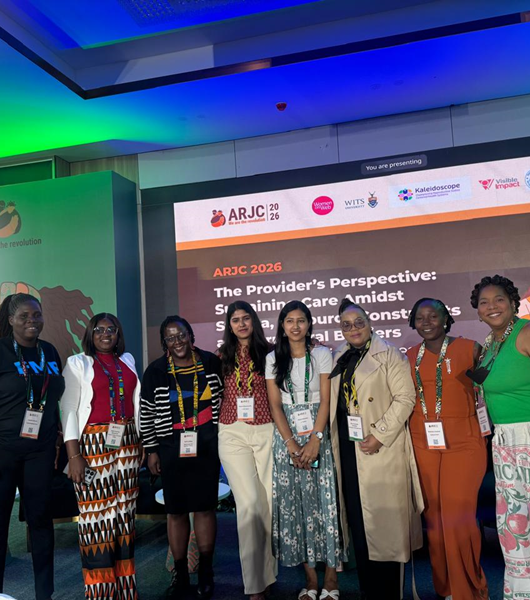

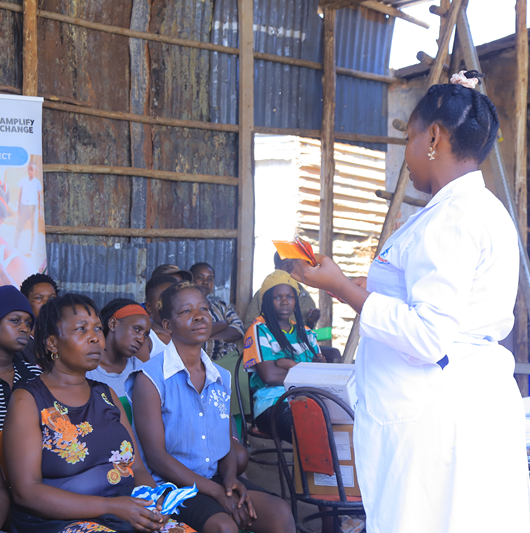
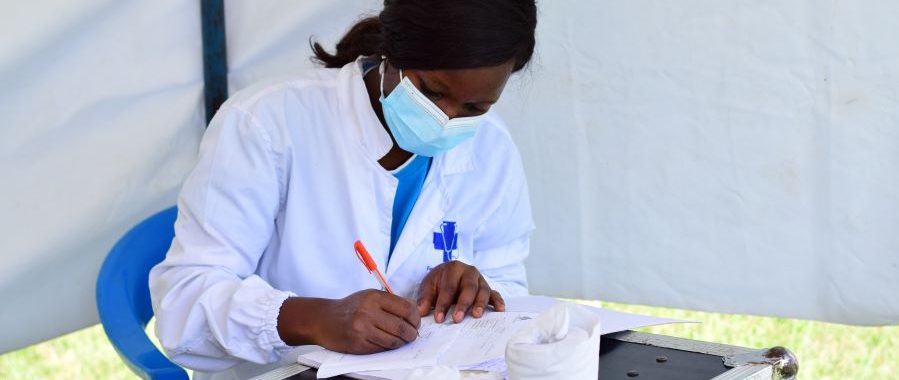
In Uganda, a silent crisis is unfolding behind clinic doors. Despite Post-Abortion Care (PAC) being a legal, life-saving medical service under national guidelines, the health workers who provide it are increasingly being treated like criminals.
From police extortion to community stigma, the environment for sexual and reproductive health (SRH) providers has become a battlefield and it is the women and girls of Uganda who are paying the ultimate price.
Even though the Ministry of Health has established clear PAC guidelines, health workers frequently face arbitrary arrests where justice actors, including police, often bypass legal protocols to intimidate medics, extortion and shakedowns for money by authorities or even parents of patients have become a terrifying “cost of doing business” for providing emergency care. Out of fear for their livelihoods and freedom, many health workers are now forced to turn women away.
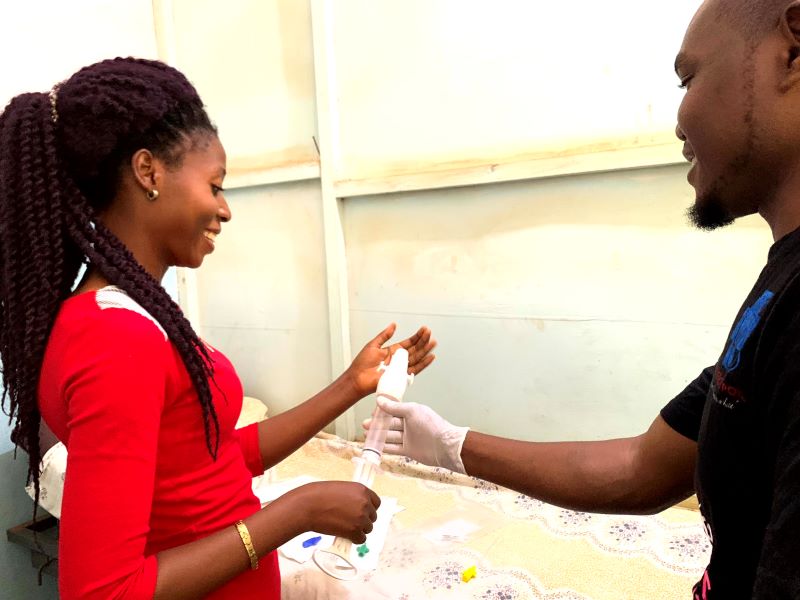
When a health worker is too afraid to provide PAC, the consequences are immediate and often fatal. Denied professional care, women and girls resort to unsafe methods or wait until complications like sepsis or haemorrhage become life-threatening.
This climate of fear doesn’t just kill patients; it kills data. Because medics are afraid of being targeted, they under-report cases to the Ministry of Health’s Management Information System (HMIS). Without accurate data, it is impossible for the government and NGOs to design effective interventions to reduce maternal mortality.
Reproductive justice organizations are ready to fight back, but legal battles require evidence including litigants and affidavits – Brave medics willing to say “enough is enough” and public support, a shift in community mindset to view PAC as the life-saving emergency service it is. However, the “Stigma Trap” remains. Many providers fear that by coming forward, they will be labeled “abortionists,” leading to a loss of clients and social standing.
The burden of this work is not just legal, it is emotional. Health workers and reproductive justice advocates are facing secondary trauma from constant harassment and the heartbreak of watching preventable deaths. We must prioritize psychosocial support for those on the front lines to ensure they have the mental resilience to continue this work.
Saving a life is not a crime. Providing post-abortion care is a legal obligation and a human right. We call upon the government to protect health workers from extortion and for the medical community to stand united in documenting these injustices.